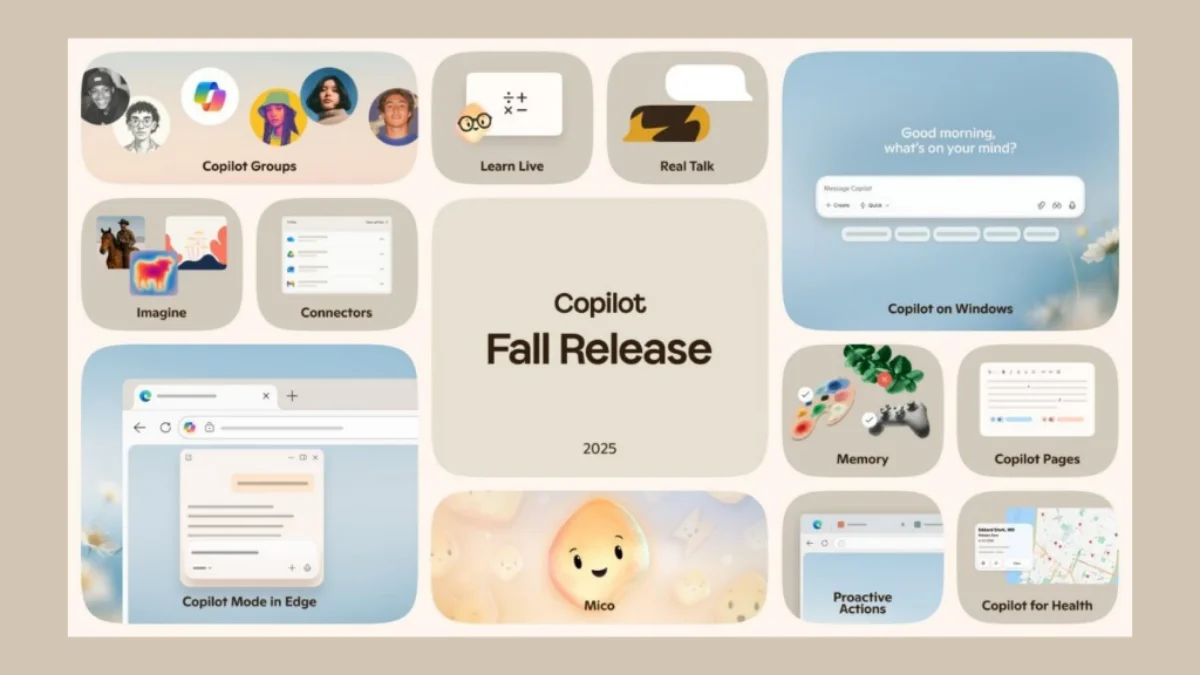
The tech world is witnessing a significant shift. Microsoft has given its renowned AI assistant Copilot a fresh form and a new persona. Released at the end of October 2025 as part of the Fall Update, the company has delivered Copilot its most vibrant and emotionally engaging upgrade yet. At the heart of this update is a new animated avatar — Mico Avatar, described by the company as Copilot’s “new face.”
Mico is not just a graphical character; it is designed to make Copilot feel more human, empathetic, and connected. Microsoft claims this update transforms Copilot from a mere tool into a digital companion — one that understands your conversation, responds to your emotions, and adapts itself according to your needs.
Mico Avatar: Copilot’s Emotional and Expressive Face
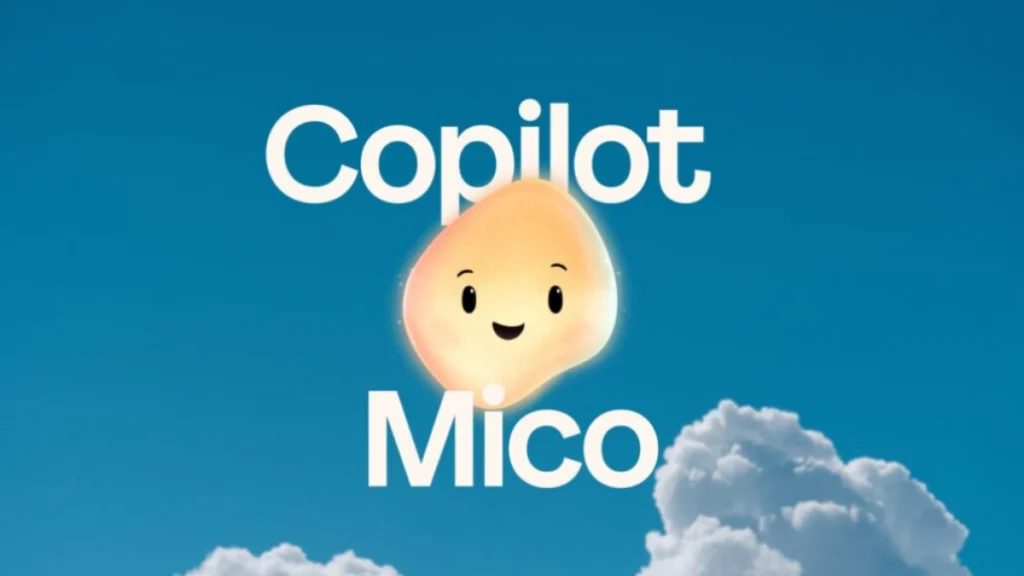
According to Microsoft, Mico’s design represents “warmth, empathy, and liveliness.” It is a light, smiley-style graphical avatar that responds during interactions with facial expressions, gestures, and color changes. When users are happy, ask questions, or express emotions, Mico’s reactions shift accordingly.
The experience is akin to chatting with a human who smiles or gestures subtly. This is why Microsoft refers to it as Copilot’s “emotional interface.” Its animated reactions not only make interactions more engaging but also offer an emotionally intuitive and relatable AI experience.
Microsoft has emphasized that Mico is designed to show empathy, stay attentive, and provide accurate information when needed. Senior executives described it as “Clippy’s modern, mature, and humanized version” — now present not just to assist but to make human communication smoother.
Copilot Now Features ‘Long Memory’
Another major improvement in this update is the long memory system. This allows Copilot to remember users’ preferences, work patterns, interests, and previously shared information. In other words, Copilot can now continue interactions over time with a sense of “recognition,” rather than being limited to a single session.
With this feature, users no longer need to repeatedly provide the same information or preferences. For example, if you frequently ask health-related questions or track project tasks, Copilot will remember these contexts for future conversations.
Microsoft assured that the memory feature is secure and transparent. Users can clear or edit Copilot’s memory at any time, ensuring full control over privacy. This marks a significant step toward making AI more personalized and human-centric.
Teamwork Gets Smarter with Copilot Groups
Copilot has evolved from a personal assistant into a collaborative tool for teams. The new Copilot Groups feature allows up to 32 members to participate in a single chat or workspace, where they can discuss ideas, divide tasks, and let Copilot generate a summary of the discussion.
This feature is particularly useful for corporate teams, freelancer networks, or small organizations. It enables Copilot to function as a digital meeting assistant — handling everything from email follow-ups to project updates. By sharing group links, members can join seamlessly, and the AI automatically records key points, suggestions, and task assignments.
Smarter and More Integrated Data Connectivity
The third major dimension of this update is third-party data connectivity. Copilot is no longer limited to Microsoft 365 services; it can now integrate with platforms like OneDrive, Outlook, Gmail, Google Drive, Google Calendar. This means whether users store personal documents on Google Drive or work files on OneDrive, Copilot can seamlessly access and consolidate information across platforms.
For instance, if a user says, “Show me all documents for tomorrow’s meeting,” Copilot can automatically fetch relevant content from calendars and cloud storage. This interoperability makes Copilot a cross-platform digital assistant.
New Intelligent Tools for Health and Education
This AI version goes beyond productivity and communication. Microsoft has added two new dedicated sections — Health and Education.
In the Health section, Copilot now provides medical information from trusted sources like Harvard Health. The AI ensures that it does not promote any unreliable or questionable content. Additionally, Copilot can assist in finding doctors — recommending clinics or specialists based on the user’s location, language, and expertise.
In the Education section, Microsoft introduced the “Learn Live” platform. Students can engage in interactive lessons with AI, emphasizing visual explanations and the Socratic method for question-and-answer learning. This feature encourages active learning, guiding students to think and analyze rather than just providing answers.
Copilot Becomes More Human and Empathetic
Microsoft’s Fall Update clearly signals a shift — the company is now focusing not only on technical efficiency but also on human connection. Copilot is no longer just a question-answering bot; it aims to become a digital companion.
The Mico avatar is a major step in this direction, demonstrating that technology is not just about utility but also about experience. Every new feature of Copilot — whether long memory, group collaboration, or third-party integration — brings users closer to both convenience and empathy.
Conclusion
Microsoft’s update is more than a product upgrade; it marks the beginning of an emotional AI era. Mico brings humanity to Copilot, making interactions more than just information exchanges.
Copilot now understands, feels, and assists users — much like a human assistant would. Technologically, this is a milestone for Microsoft, and for users, it provides a new type of experience — one where the gap between machine and human has become noticeably narrower.
Also Read