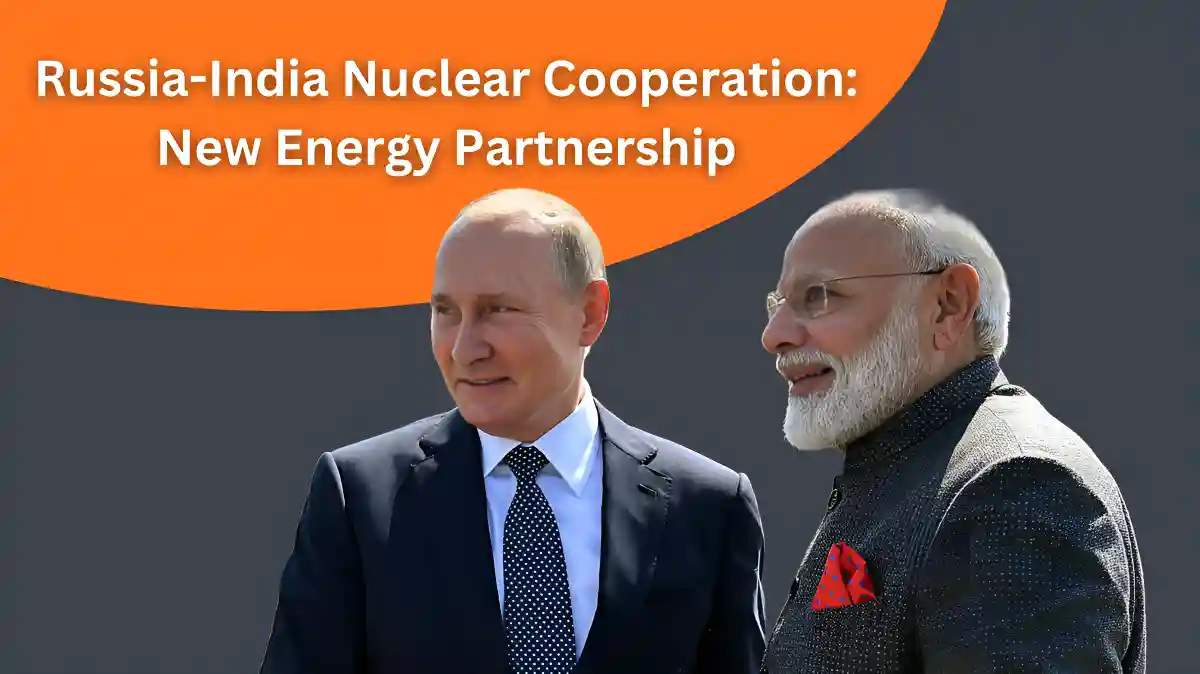
A significant step has been taken to elevate the civil nuclear energy cooperation between Russia and India. The Kremlin has approved the signing of an important Memorandum of Understanding (MoU) with India, announced just ahead of President Vladimir Putin’s visit to India on December 4-5, 2025. This MoU is set to strengthen ‘Russia-India Nuclear Cooperation’ and position the energy sector as a key pillar in the strategic partnership between the two nations.
The Russian government has authorized its state nuclear corporation, Rosatom, to sign the agreement with the relevant Indian authorities. Rosatom is the same company constructing India’s largest nuclear power plant in Kudankulam, Tamil Nadu, and is now actively working on the subsequent phases of the project.
Kudankulam: The Heart of India’s Nuclear Power
The Kudankulam Nuclear Power Plant has become a symbol of India’s nuclear ambitions. Developed with Russian assistance, the project currently stands as the country’s largest operational nuclear initiative. Two reactors are already active, while four more are under construction. All units employ Russia’s VVER-1200 technology, regarded as world-class in terms of safety and efficiency.
Sources indicate that in the coming period, India and Russia will focus on “localization” based on the same technology. This means that components and equipment used in the reactors will be manufactured in India itself. This approach will not only reduce costs but also enhance India’s technological capabilities.
Energy experts note that this model will also boost the “Make in India” initiative, as India transitions from being merely a consumer to becoming self-reliant in nuclear equipment manufacturing.
Targeting 100 Gigawatts of Nuclear Power by 2070
India has set an ambitious goal of achieving 100 gigawatts of nuclear power capacity by 2070, keeping climate objectives in mind. This target surpasses previous plans and includes not only large-scale plants but also advanced technologies such as Small Modular Reactors (SMRs).
Government sources suggest that this new nuclear policy could position India as a global leader in clean and sustainable energy. Currently, India’s total nuclear capacity stands at around 8 gigawatts, which could multiply in the next decade with Russian collaboration.
Small Modular Reactors: Russia’s Proposal and India’s Interest
According to Rosatom CEO Alexey Likhachev, several proposals regarding Small Modular Reactors (SMRs) will be presented in New Delhi during President Putin’s visit. Despite their compact size, these reactors are highly efficient and capable of generating power in remote or resource-constrained areas.
Russia has extensive international experience with SMR projects, including electricity supply in remote Arctic regions through floating nuclear power units. This technology could prove highly beneficial for a geographically diverse country like India.
The deployment of SMRs in India could be accelerated with private sector participation, increasing the role of private companies in a sector that has traditionally been government-dominated. Rosatom had showcased its floating solutions and modular technologies to India in April 2024, which were positively received by the Indian Department of Atomic Energy.
Bilateral Summit: A Multi-Dimensional Partnership
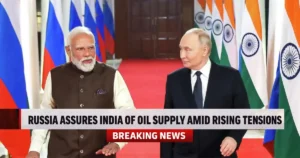
President Vladimir Putin’s upcoming visit will extend beyond nuclear cooperation. The 23rd annual India-Russia summit will elevate collaboration across energy, defense, trade, oil exports, and investment, although nuclear energy will remain the centerpiece of the agenda.
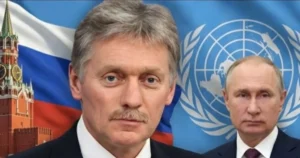
Kremlin spokesperson Dmitry Peskov stated that the meeting would “decisively influence the future of bilateral relations,” emphasizing that Russia plans long-term collaboration with India not only in reactor technology but also in investment and nuclear fuel cycle cooperation.
Advancing the Nuclear Fuel Cycle and Investment
In recent months, several rounds of discussions have taken place between Rosatom and India’s Department of Atomic Energy. During a high-level meeting in Mumbai, the Rosatom delegation and India’s Atomic Energy Department head Ajit Kumar Mohanti discussed future cooperation points in detail.
Topics included the establishment of new reactors in India over the next decade, local production of nuclear fuel, and joint arrangements for nuclear waste management. This collaboration is expected to strengthen India’s energy security while enhancing its position in the global nuclear supply chain.
Strategic Significance of the Russia-India Partnership
Russia and India share a decades-long strategic partnership. While defense has traditionally been the backbone of this relationship, energy, particularly nuclear power, is emerging as a new focal point. Experts believe that in the future, this collaboration could position India as an exporter of nuclear technology.
Furthermore, the agreement comes at a time when the world is shifting toward clean and sustainable energy options. In this context, the Russia-India initiative could be significant not only for both nations but also for global climate goals.
Conclusion
The ‘Russia-India Nuclear Cooperation’ is not merely a formal agreement but marks the beginning of a new era in energy partnership. This collaboration could transform India’s energy self-reliance and its role in the global nuclear landscape in the years to come. President Vladimir Putin’s visit will provide an opportunity to cement this cooperation, and early indicators suggest that India and Russia will advance together not only in energy collaboration but also in technological partnership and sustainable development.
Also Read
- We Are Ready’: Putin Issues Ultimatum to Europe, Says – “We Do Not Want War, But Will Not Back Down If Forced”
- Questions Raised Over Pakistan Aid kits to Sri Lanka, Citizens Say – “Insult to Humanity”
- International Tensions Escalate: Venezuela Crisis Deepens After Trump’s Warning
- Israeli General’s Major Revelation: Preparing for Clash with Iran, High-Tech Weapons to Dominate