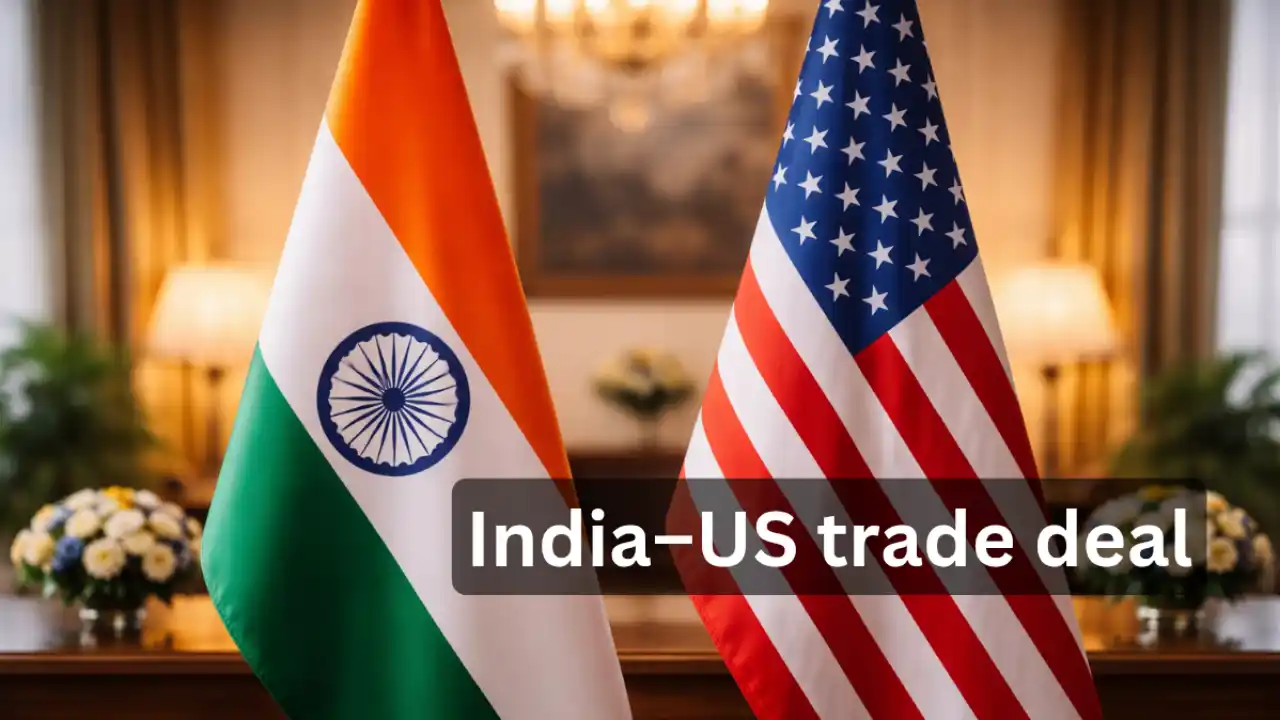
India US Trade Deal: The picture around the new trade agreement between India and the United States is still not completely clear. On February 7, US President Donald Trump signed an executive order under which the 25 percent punitive tariff imposed on India was removed. This tariff had been imposed after the bilateral trade agreement reached on February 2, 2026.
However, along with relief, a major warning has also emerged. Trump has clearly stated that if India does not stop buying crude oil from Russia, the 25 percent tariff will be imposed again and the total duty could be increased to as much as 43 percent.
The biggest question is how the United States can issue such an open threat when the full terms of the trade agreement have not yet been made public. At the same time, the absence of any clear and direct response from the Indian government is also raising several questions.
Government’s confidence on the agriculture sector
The most discussion around the trade agreement has been about the agriculture sector. On February 2, Trump had indicated through a social media post that India would open its market to American agricultural products.
In response, Commerce Minister Piyush Goyal and Agriculture Minister Shivraj Singh Chouhan clearly said that India has not compromised on national interest. According to them, products in which India is self-reliant or where domestic production is sufficient have been kept out of the agreement.
According to the government, products such as meat, poultry, all dairy products, GM crops, rice and wheat, sugar, soybean, maize, coarse grains, fruits and vegetables, pulses, oilseeds, animal feed, groundnut, honey, ethanol, and tobacco do not fall under this deal. The government claims that Indian farmers will not suffer any loss because of this.
Suspense over Russian oil
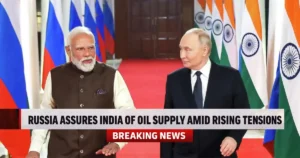
The second and most sensitive issue is oil imports from Russia. Trump’s executive order clearly states that India will have to stop buying oil from Russia and purchase energy from the United States.
On this, the Commerce Minister avoided commenting and said that this matter falls under the Ministry of External Affairs. There was no direct response from the External Affairs Minister either. Only the spokesperson of the Ministry of External Affairs said that the government’s first priority is to meet the energy needs of the country’s 1.4 billion population.
Strict conditions in the executive order
In the executive order issued on February 7, the US Departments of Commerce, State, and Treasury have been given the responsibility to monitor whether India is buying crude oil from Russia directly or indirectly.
The order states that if evidence of violation is found from India’s side, the President will be informed and strict steps such as reimposing the 25 percent tariff on India can be taken.
Interestingly, the Indian government has repeatedly said that there is no mention in the trade agreement about which country India can or cannot buy from. In such a situation, the American order and Indian statements do not match each other.
Incomplete information, growing concern
At present, the situation is that the trade agreement has been formally approved, but its terms have not been fully made public. On the other hand, strict orders and monitoring from the US side have already come into the open.