- How many days of crude oil stock available
- Uncertainty continues over Strait of Hormuz
- Alternative sources including Russia under review
- Brent prices at seven-month high
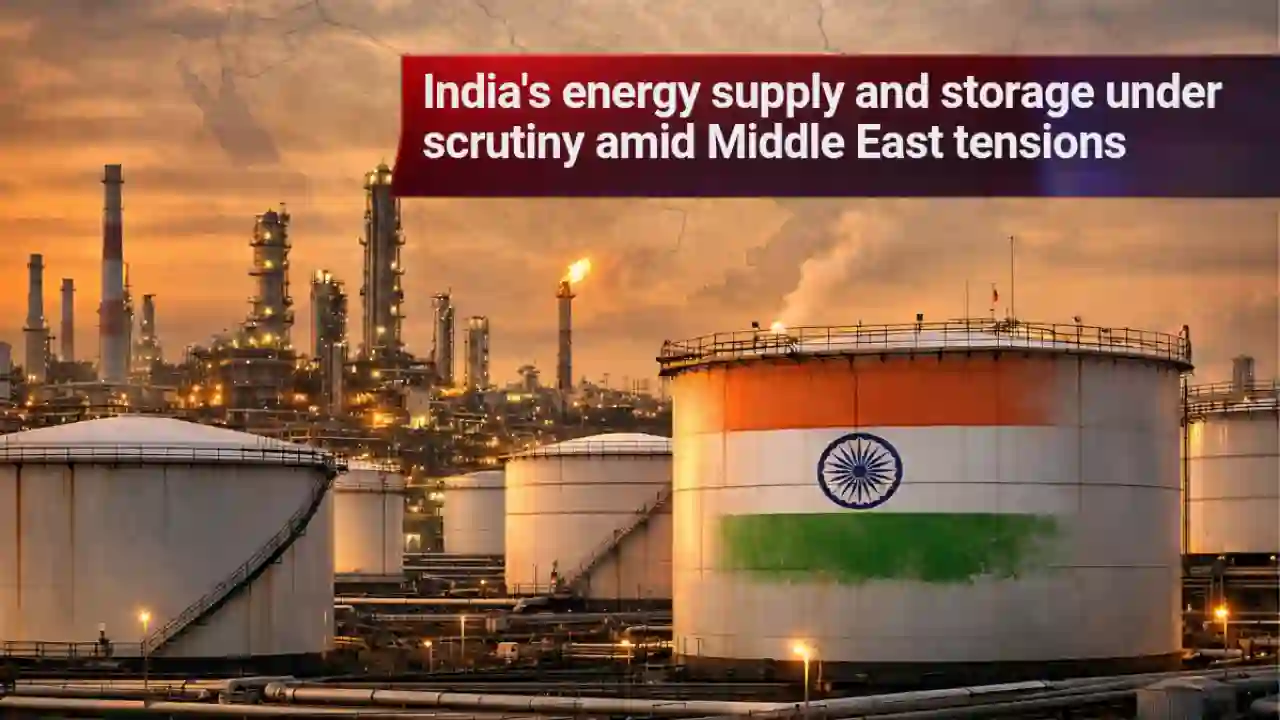
India Energy Strategy: After the recent military events in the Middle East, uncertainty has increased regarding global energy supply. In such a situation, a review is ongoing within the government and the industry over concerns about the impact on India’s crude oil needs. Officials say that at present there is no immediate risk of supply disruption to the country and the existing storage system is capable of meeting short-term demand.
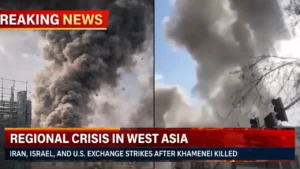
Following the action taken by the United States and Israel against Iran, the situation in the region has changed rapidly. Iranian media claimed on 28 February that in response, the Strait of Hormuz has been closed. This route is a major center of global energy transport, through which nearly one-fifth of the world’s oil and gas passes. However, Indian officials assess that if this disruption remains short-term, the impact on domestic supply will be limited.
According to government sources, the country’s refinery companies have about 10 to 15 days of crude oil availability, including storage tanks and shipments that are on the way. In addition, there is also stock of refined fuel available, which can meet requirements for 7 to 10 days. On this basis, it is being considered that there is no immediate fear of any major disruption.
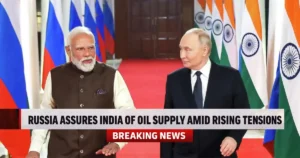
Analysts also say that if regional tension stretches for a long time, India can shift its import sources. In such a situation, the option of increasing purchases from Russia remains open. Along with this, possibilities of taking additional supply from distant producers such as Venezuela, Brazil and African countries can also be explored.
Meanwhile, movement has been seen in prices in the international market. Brent crude closed this week at around 73 dollars per barrel, which is a seven-month high. If concerns of supply disruption increase, this rate can reach up to 80 dollars per barrel. Officials believe that fluctuations in prices will certainly have an impact, but due to available reserves and alternative arrangements, the country is currently prepared to deal with the situation.