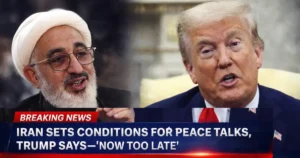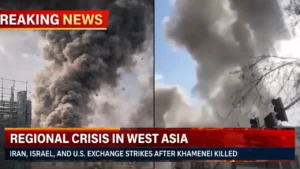
Iran Crisis 2026: At the beginning of 2026, the question being discussed is whether Iran will be able to handle itself in the current situation or not. On one side, it is under pressure from American sanctions and regional tensions, and on the other side, inflation is rising inside the country, the currency is weakening and anger is visible among the youth.
At this time, Iran is facing challenges both from outside and inside. Recent protests, decline in oil exports and the falling value of the rial have made it the biggest need for the government to manage the economic situation. At the same time, because of the nuclear program and regional activities, the eyes of America and Israel remain constantly on it, due to which tension is not able to reduce.
How does Iran’s system work?
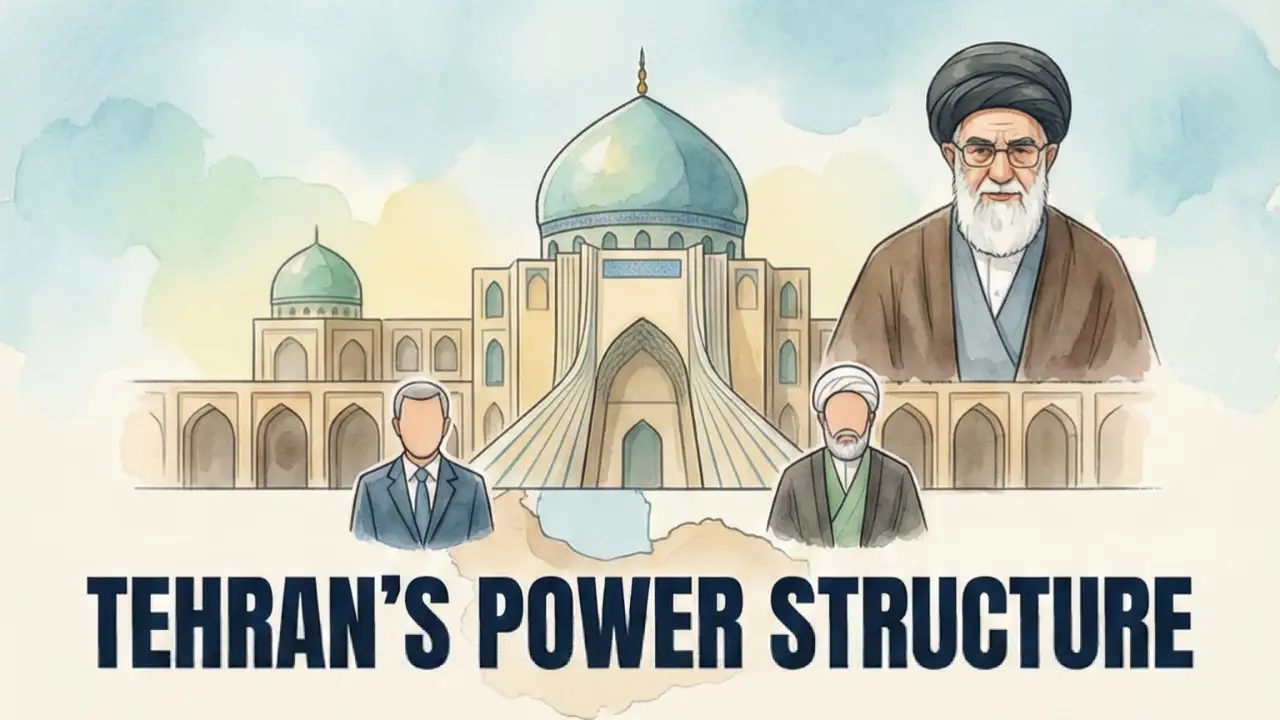
Iran’s present power structure stands on the same framework that was formed after 1979. In this system, the Supreme Leader has the most authority. The President and the Parliament carry out their respective responsibilities, but in final decisions the role of the Supreme Leader remains important. In the past nearly four decades, the country has faced sanctions, war-like situations and internal opposition, yet the basic structure of the system has remained intact.
This political structure receives strong support in traditional and rural areas. For the people there, national sovereignty and opposition to external interference are big issues. Therefore, whenever pressure increases from outside, many times the feeling of nationalism inside the country is also seen getting stronger.
What are the current conditions and what is the role of the world?
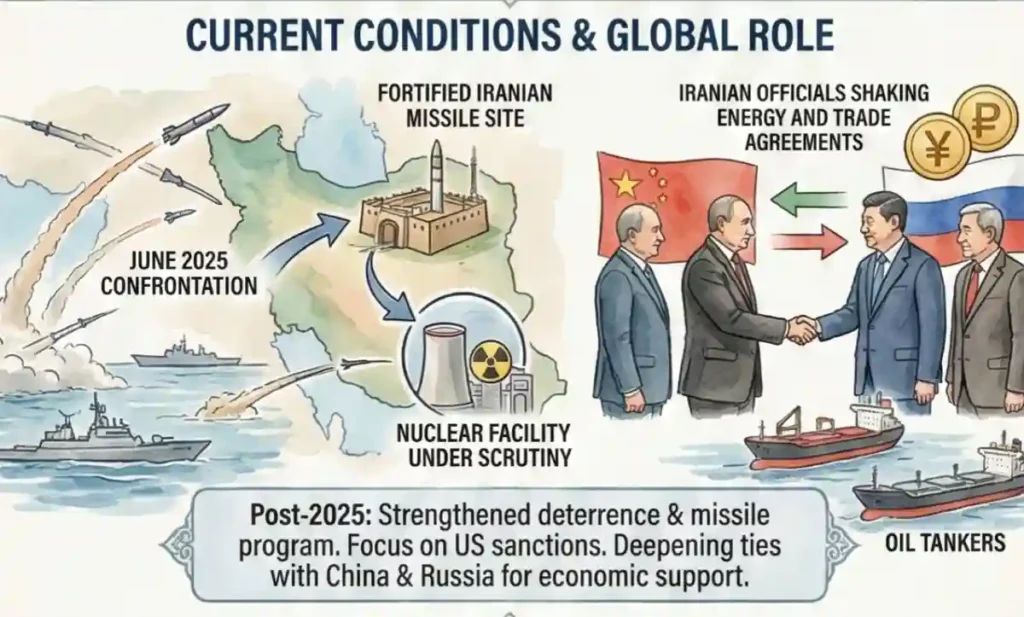
After the limited military confrontation with America and Israel in June 2025, the environment of West Asia changed. After this, Iran tightened the security of its important sites and emphasized further strengthening its missile program. Experts believe that its ballistic capability is directly working as a kind of deterrence in the situation of a military attack.
America’s focus at this time is on Iran’s missile and nuclear program. Washington is using economic sanctions as a tool of pressure. On the other side, Tehran is engaged in deepening relations with China and Russia, so that it can get economic and technical support.
Cooperation with China in energy and payment systems, and strategic talks with Russia, are considered steps taken in this direction. However, because of Western sanctions, Iran’s direct access to the global financial system still remains limited.
Inflation, weak currency and lack of investment
Iran’s currency, the rial, has weakened rapidly in recent months. In the open market, its value has fallen significantly against the dollar. The direct impact of this has been on imports, because goods coming from outside have become expensive. As a result, prices in the domestic market have also increased and the burden on common people has grown.
Especially in the prices of food items, a clear increase has been seen. In many areas, power cuts and reduction in factory production have affected supply. On top of this, due to the decline in oil exports, pressure on foreign exchange reserves has also increased.
In these conditions, the government is trying to find different paths. To avoid sanctions, it is adopting new trade models, selling oil at discounted rates and trying to increase exports through sea routes. Even then, keeping the budget balanced is not easy, especially when oil prices in the international market are not as expected.
What are the people of Iran thinking?
From the protests held in January 2026, it has been clearly seen that anger is increasing among youth living in cities. Their main concern is about employment and lack of better opportunities. Among educated youth, unemployment has become a big issue, and many people are also raising questions regarding social freedoms.
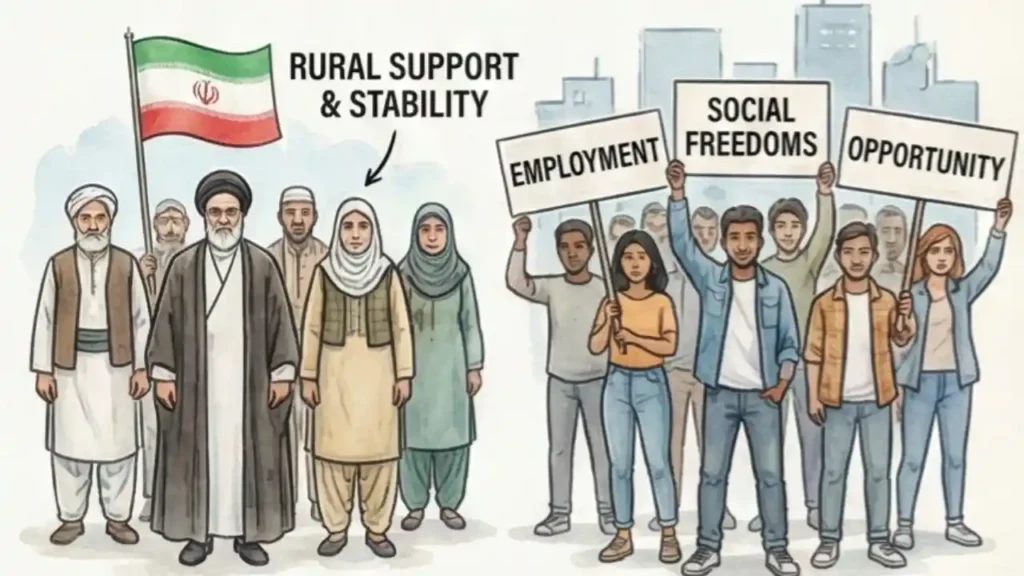
However, thinking is not the same across the whole country. Some people consider external sanctions responsible for the economic situation. At the same time, there is also a section that expects more openness, clear policy and solid economic reforms from the government.
On the other side, in rural areas and among traditionally minded groups, security and stability are still considered most important. This different thinking makes the country’s politics complex and takes the debate in many directions.
Maintaining stability is the biggest challenge for Iran
From a military point of view, Iran has strengthened its deterrent capacity. Through regional cooperation and strategic partnerships, it wants to reduce the possibility of external intervention.
On the economic front, challenges are more serious. Pressure on the currency, inflation and a limited investment environment can affect long-term stability. At the social level, balancing the aspirations of the youth and traditional values is a difficult task for policymakers.