- Over $11 billion oil funds questioned
- Trustee system became parallel structure
- Judiciary and parliament demand accountability
- Falling rial worsens public hardship
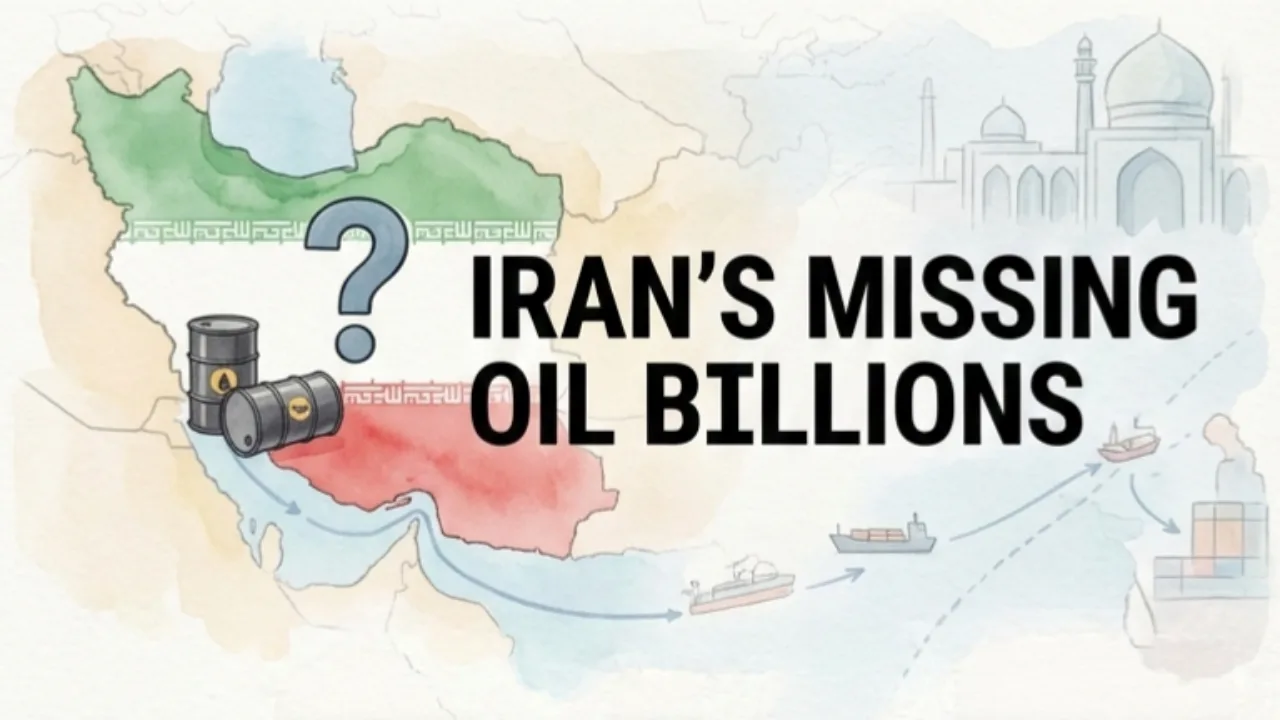
Iran Oil Revenue: When a country is shackled by international sanctions, it creates shadow routes to survive. Iran did the same but while walking on these dark paths, its own billions of dollars in earnings seem to have been lost somewhere. Now the question is not how the sanctions were bypassed, but who received the fruit of that bypass.
Oil Sales Through Trustees, But Where Did the Money Go?
A system that was born in crisis gradually turned into a parallel economy. State-linked “trustees” — those selected individuals whom the government assigned the responsibility of exporting oil and sanctioned goods — are now themselves under question. The allegation is that the revenue that should have come from these deals went into private vaults instead of the government treasury.
Iran’s Judiciary Chief Gholam-Hossein Mohseni-Ejei openly asked this month who gave power to these trustees, where are the institutions that claimed to audit them, and when will the money that went abroad return? These questions are not from an opposition leader, but from within the system itself, which further exposes the seriousness of this crisis.
A drought of foreign currency, the uncontrolled fall of the rial, and soaring inflation — in the middle of all this, the non-return of oil revenue adds more weight to a sinking economy.
Serious Questions Raised Over More Than Billion
When the numbers are this large, they are no longer just figures — they become a story of a system’s failure. Ali Akbar Pour Ebrahim, who once headed the department that handled most of Iran’s crude oil sales, said that after the sanctions hit in 2018, the entire mechanism of oil revenue was changed. The ministry that directly managed it was pushed aside, and bank-based trustees were given the front line. He estimates that about $11 billion has still not been returned.
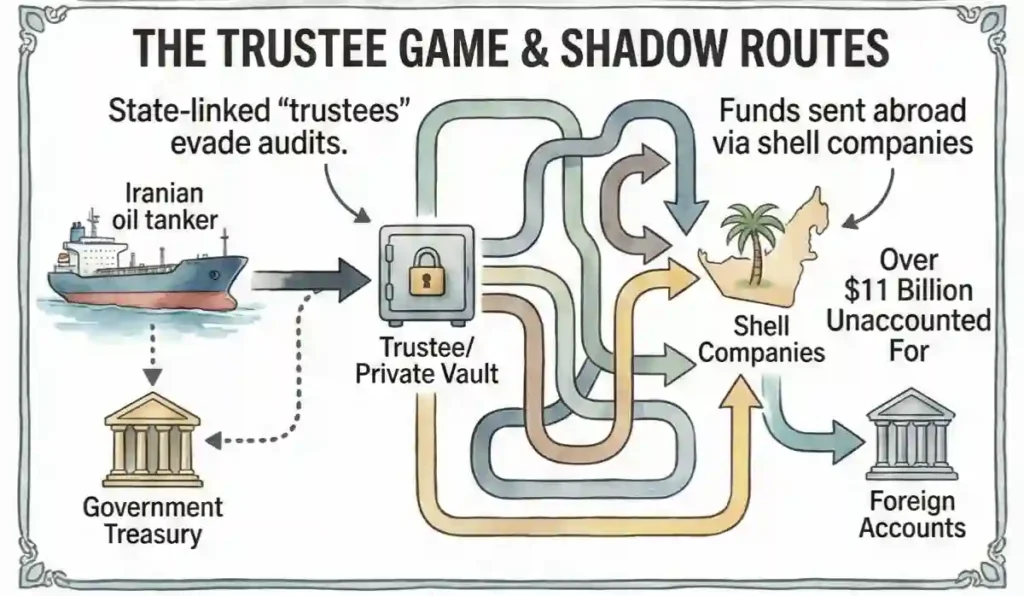
An even more shocking method came to light — some trustees allegedly opened accounts in the United Arab Emirates in the name of citizens of neighboring countries and sent money abroad through a maze of shell companies. Pour Ebrahim also says that the matter reached former President Raisi and current President Pezeshkian — but no concrete investigation has taken place so far.
In parliament’s economic committee, Hossein Samsami made another startling disclosure — some agents falsely informed the central bank that funds had been deposited, while the money had already gone elsewhere. Energy sector expert Mahmoud Khaghani believes that this structure of corruption actually emerged two decades ago during the nuclear dispute, when Iran first began setting up parallel systems.
Even Those Bringing Rations Will Now Get an Oil Quota
See the irony — the system facing such serious allegations is now being expanded further by the government. Agriculture Minister Gholamreza Nouri Ghezeljeh announced that importers of food and essential goods will be directly given oil quotas — they will be able to sell it or use barter to carry out their imports. It is estimated that under this new arrangement, deals worth up to $1.5 billion will take place.
This decision came after a policy change in which the subsidized exchange rate for essential imports was removed. In January, President Pezeshkian also allowed governors of border provinces the flexibility to import directly through barter without foreign currency in emergency situations. The government describes it as a policy to protect supply chains in war-like conditions.
Preparing to Buy New Tankers by Selling Old Ships
At sea too, Iran’s strategy is changing. Old tankers that are on the sanctions list are being sold as scrap, and with that money new, as-yet-unmarked ships are being purchased. A former official from the port sector said that one sanctioned vessel was sold for about $14 million, while renting a non-sanctioned tanker is much more expensive. The argument is that new ships can stay off the radar for at least a year.
Meanwhile, Washington is tightening its watch on ships carrying Iranian oil and is putting pressure on Beijing to reduce Iranian purchases. Tehran has responded by warning of closing the Strait of Hormuz.
Falling Rial and Growing Hardships for Ordinary People
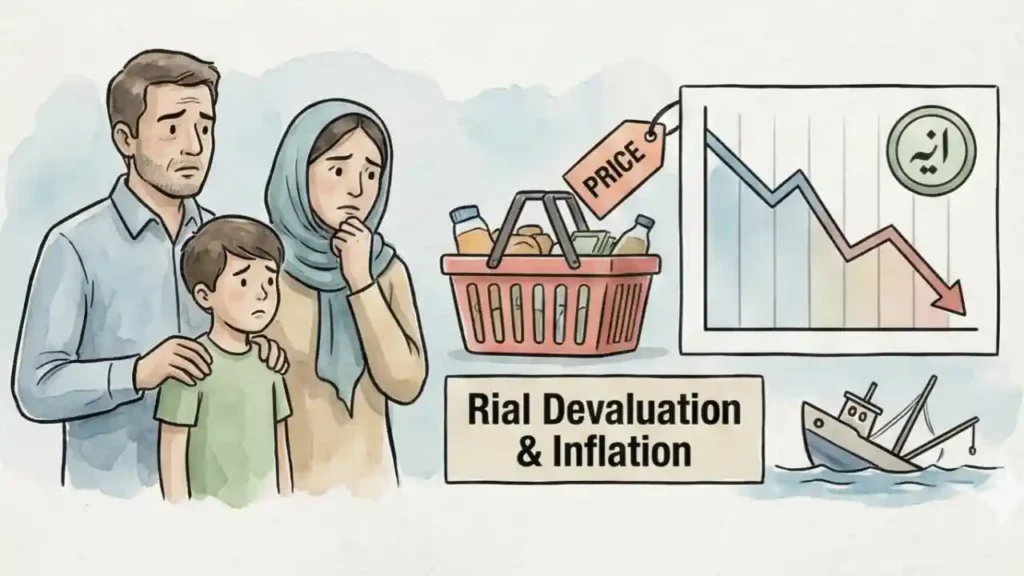
The biggest price of this entire game is being paid by the ordinary Iranian who has nothing to do with it. Whenever the rial falls, the goods that are cheap today in the market become expensive tomorrow. Economists say that if the pending oil revenue is brought back in a transparent manner, some stability can return to the currency market and inflation can be restrained.