Laptop Use on the Lap Can Be Harmful for Health, New Research Warns
Laptop Use on Lap May Affect Health: In today’s digital age, laptops have become an essential part of daily life. Whether it is work, education, or entertainment, their usage has significantly increased. However, many people are unaware that placing a laptop on the lap for long periods can gradually harm their health. According to recent findings and medical experts, this habit may lead to multiple physical and internal health issues that could later develop into serious medical conditions.
Poor Posture Increases the Risk of Pain and Injury
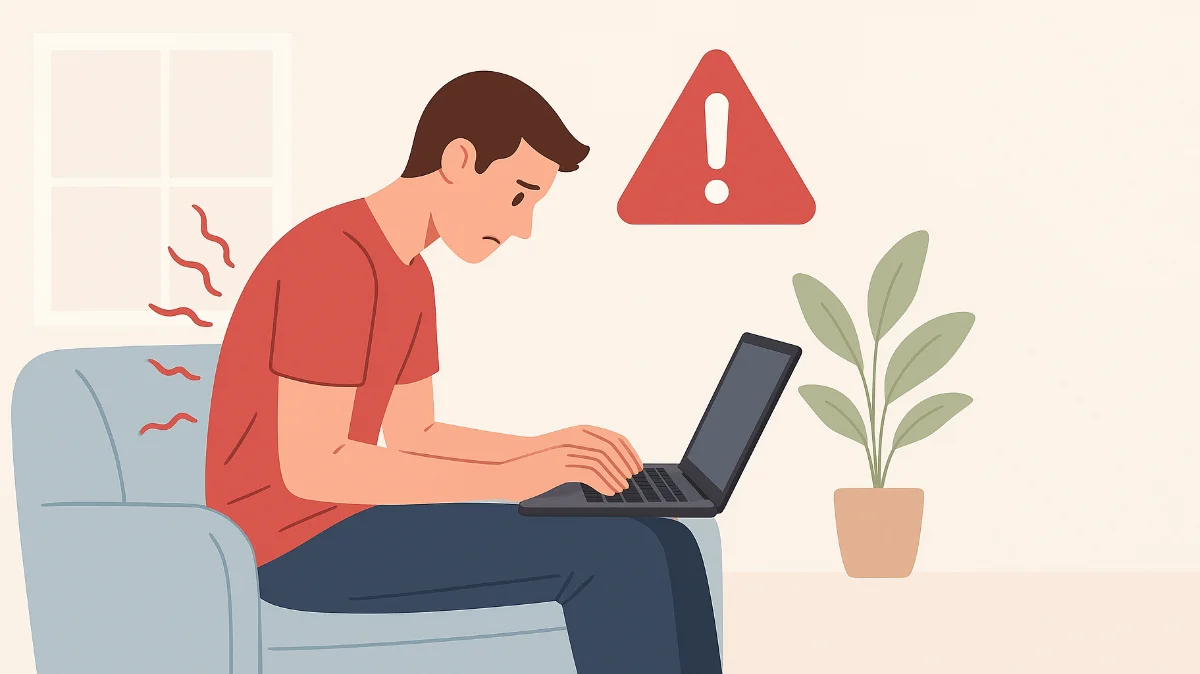
Using a laptop while keeping it on the lap disturbs the body’s natural posture. When the screen is not positioned at eye level, the neck and shoulders tend to bend forward. Over time, this posture puts excessive pressure on the spine. People who work in such positions for long durations often experience lower back pain, cervical stiffness, and shoulder tightness. Health professionals warn that these symptoms may eventually lead to muscle strain, posture-related disorders, and long-term spinal deformities.
Experts recommend using a stable table or an adjustable laptop stand to ensure the screen stays at eye level and the back remains straight. This simple adjustment can protect the spine and provide significant relief to muscles.
Can Affect Reproductive Health
One of the most surprising findings is that placing a laptop directly on the lap may affect fertility. The heat emitted from the laptop and electromagnetic radiation can impact the reproductive organs in both men and women. Studies have shown that continuous heat exposure can increase the temperature of the testes by about three degrees, which may reduce sperm quality and affect DNA structure.
For women, prolonged exposure to laptop heat in the pelvic area may cause hormonal imbalance, irregular periods, and complications related to conception. Some medical reports also indicate that laptop radiation may have long-term effects on ovarian health. Doctors strongly advise avoiding placing laptops directly on the body for extended periods.
Heat Exposure Can Affect Skin
Most users do not realise that continuous heat exposure from laptops can damage the skin gradually. Medical science recognises this condition as Erythema Ab Igne, commonly known as “Toasted Skin Syndrome.” It may cause reddish-brown patches, persistent burning sensation, and in some cases permanent skin pigmentation.
Case studies suggest that individuals who regularly use laptops on their lap for hours are more likely to develop skin irritation or discoloration on the thighs. To avoid this, doctors recommend using a cooling pad, laptop cushion, or a firm surface barrier.
Potential Risk of Cancer
Although research in this area is ongoing, many experts believe that long-term exposure to heat and radiation may increase the risk of developing cancerous conditions. Sensitive organs such as the testes and ovaries are particularly vulnerable to prolonged electromagnetic exposure. Continuous cell damage and abnormal tissue growth may become a concern over time.
This is why experts increasingly recommend maintaining a safe distance from the device and monitoring overall screen time.
Impact on Sleep and Mental Health
The blue light emitted by laptop screens can disrupt the body’s natural hormonal balance. It reduces melatonin levels — the hormone responsible for regulating sleep. People who frequently use laptops in the evening or before bedtime may experience sleep disturbances, fatigue, and lack of concentration.
Mental health professionals say prolonged exposure to blue light may also contribute to mood swings, anxiety, and stress. It is now widely advised to avoid screen use at least an hour before sleeping.
Using blue light filter glasses, night mode settings, or light-reducing software can help minimise these effects to some extent.
Safety Measures for Laptop Use

Experts suggest adopting simple habits to minimise health risks:
- Always place the laptop on a desk, table, or adjustable stand
- Use a cooling pad to prevent excessive heat exposure
- Maintain distance from Wi-Fi and Bluetooth radiation sources when possible
- Use an external keyboard and mouse for better posture
- Take short breaks every hour and stretch your body
- Enable blue light filtering settings and maintain a screen-free wind-down before sleep
Conclusion
Laptops have become an unavoidable part of modern life, but incorrect usage can have long-term effects on health. New research and medical findings confirm that prolonged exposure to heat and radiation can be harmful.
Therefore, it is important to use technology responsibly. By maintaining proper posture, safe distance, and adopting healthy digital habits, one can avoid future health complications. Technology is beneficial only when used wisely and safely — not at the cost of well-being.
Also Read