
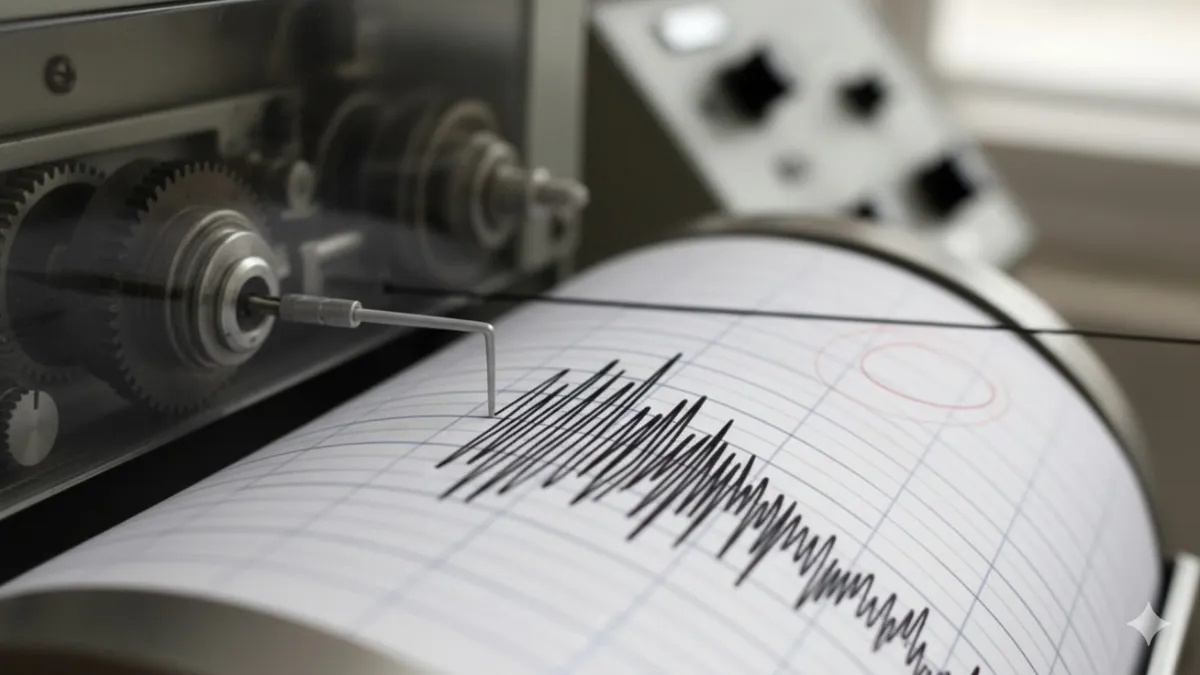
Strong tremors were felt in Leh, Ladakh — a Union Territory of India — on the evening of Saturday, November 1, 2025. According to the National Centre for Seismology (NCS), the earthquake measured 4.1 on the Richter scale and had its epicentre at a shallow depth of just 10 kilometres beneath the surface. The intensity of the tremors caused residents to rush out of their homes and offices in panic. However, no reports of damage or casualties have been received so far.
Experts explained that earthquakes occurring at shallow depths, such as 10 kilometres, tend to be more dangerous because the seismic waves reach the surface more rapidly, causing stronger shaking and a higher risk of damage. The local administration has advised people to remain alert while closely monitoring the situation.
Earlier in the afternoon, a 3.6-magnitude earthquake struck northern Pakistan at a depth of around 160 kilometres. The tremors there were mild, and no significant damage was reported. Pakistan had also experienced a 3.7-magnitude quake on October 24. The region comprising Afghanistan, Pakistan, and northern India is considered seismically active due to the collision of tectonic plates. The continuous accumulation of stress beneath the Earth’s crust indicates the potential for larger quakes, keeping this zone at risk.
Key Details of the Leh Earthquake
- Date: November 1, 2025, around 6:30 PM
- Magnitude: 4.1 on the Richter scale
- Depth: 10 kilometres (a shallow depth considered more hazardous)
- Affected Area: Leh, Ladakh
- Damage: No reports so far
- Response: People rushed outdoors; authorities on alert
Recent Earthquake Activity in Pakistan
- November 1: 3.6-magnitude quake in northern Pakistan
- Depth: 160 kilometres
- Impact: Mild tremors, no major damage
- October 24: 3.7-magnitude quake recorded earlier
Regional Seismic Risk
- The Afghanistan–Pakistan–North India belt lies in a tectonic collision zone
- Accumulated stress beneath the crust increases seismic risk
- Frequent mild to moderate tremors recorded in the region
- Experts urge continuous vigilance
This event aligns with the region’s known seismic activity, underscoring the need for residents to remain cautious. Since shallow and moderate earthquakes pose a higher risk of damage, both authorities and scientific agencies continue to monitor developments and take necessary precautionary measures.