- Taiwan and the US agree on tariff cuts and expanded investment cooperation
- AI and semiconductor sectors emerge as central to strategic partnership
- Taiwanese firms may invest heavily in US technology, energy, and AI
- China’s response and Taiwan parliament approval remain key factors
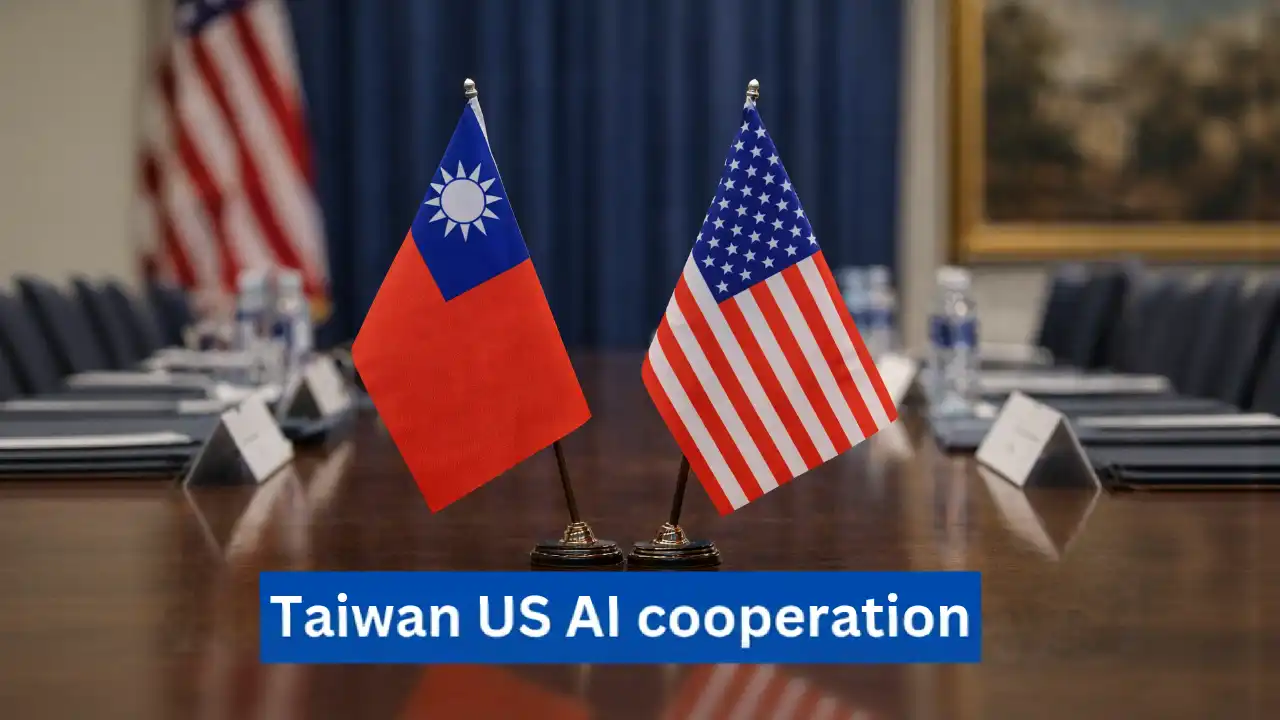
Taiwan US AI cooperation: After an agreement with the United States related to tariff cuts and increased investment, Taiwan has set a goal to strengthen its strategic partnership with the US in the field of artificial intelligence (AI). Taiwan’s deputy prime minister shared this information at a press conference held in Washington.
According to Cheng Li-chun, talks between the two countries emphasized increasing two-way investment in the high-tech sector. She said that through this process, Taiwan and the United States can develop close strategic cooperation in AI-related areas in the future.
This agreement has come at a time when the US administration is working on a policy to promote domestic production in key sectors such as semiconductors. Special focus is being placed on chips that are used in AI technology.
Agreement on investment cooperation between Taiwan and the US along with tariff relief
According to Deputy Prime Minister Cheng, the deal was finalized on Thursday. Under this, US tariffs on several Taiwanese export products will be reduced. Along with this, provisions have been included to encourage investment by Taiwanese companies in the US technology sector.
She said that this initiative is not one-sided, and it is expected to also promote US investment in Taiwan. However, she also clarified that investment-related decisions will be taken by the companies themselves, and Taiwanese companies will continue investing within the country as well.
Possibility of rising displeasure from China after the deal
Political reactions at the regional level are also being anticipated regarding this agreement. China considers democratic Taiwan as its own part and has opposed high-level contacts between the US and Taiwan. The Taiwan government has consistently rejected these claims by China. After this deal, the possibility of increased displeasure from China has not been ruled out.
Taiwan’s plan to increase investment in the US
According to the US commerce secretary, Taiwanese companies could invest around $250 billion in areas related to semiconductors, energy, and AI in the United States.
This includes $100 billion in investment already announced earlier by the world’s leading chip manufacturing company in 2025. In addition, the Taiwan government has said it will provide guarantees for nearly $250 billion in credit to make additional investment easier.
Indication of investment in AI servers and energy-related sectors
Taiwan’s economy minister said that investment will not remain limited to chip manufacturing alone. There are plans to invest in areas such as AI servers and energy as well. However, regarding specific figures related to chips, he said that companies will make them public at the appropriate time.
Market movement on the impact of the agreement
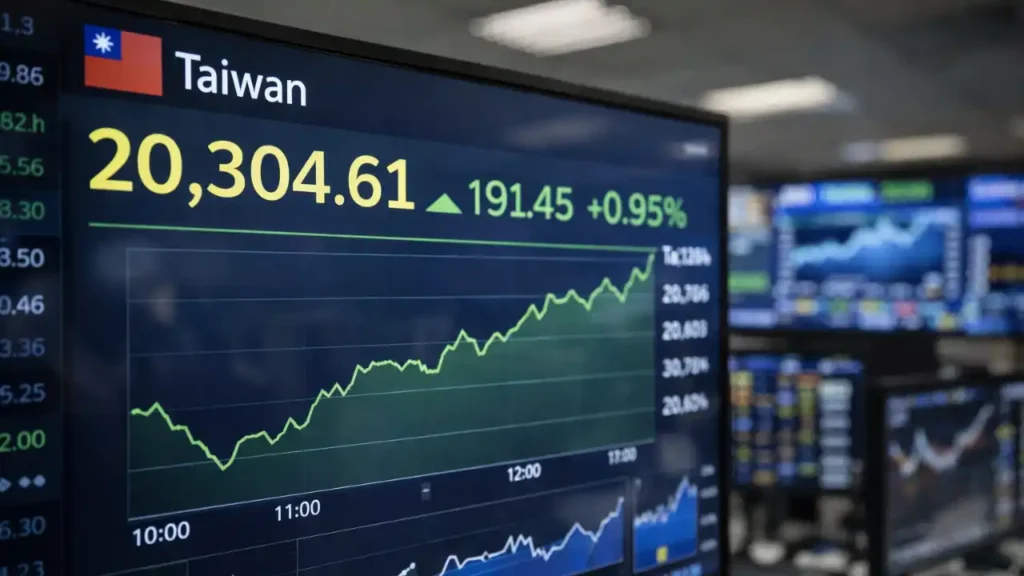
After this agreement and strong quarterly results from TSMC, Taiwan’s benchmark stock index closed at a record level. The chairman of the Taiwan Institute of Economic Research said that this deal indicates that Washington sees Taiwan as an important strategic partner in the semiconductor sector.
In its official statement, TSMC welcomed strong trade agreements between the United States and Taiwan. However, the company also said that all its investment decisions are taken based on market conditions and customer demand.
Parliamentary approval for the agreement still pending
This agreement will now be presented to Taiwan’s parliament for approval. Opposition parties have already expressed concerns that it could weaken the country’s important chip industry.
US officials say the goal is to develop a large part of Taiwan’s chip supply chain in the United States. Meanwhile, the Taiwan government estimates that by 2036, the division of advanced chip production between Taiwan and the US could be in an 80:20 ratio.
Taiwan’s vice president said that this agreement reflects Taiwan’s position on the global trade platform and further strengthens its role in the global supply chain.